AT LEAST 44 A DAY
At least 44 former service members die each day by suicide and self-injury combined — 2.4 times the rate the VA reports. And the death records themselves misidentify veterans about 25% of the time.
— Operation Deep Dive, America’s Warrior Partnership with the University of Alabama and Duke University
Veterans Legal Associates, “SSgt. S.D Myers Hope for Heroes Initiative”
We are confronting veteran suicide at its most lethal point — the intersection of trauma and a justice system that is failing those who served. This is not a slow, cautious effort. It is a direct, strategic, and unapologetic assault on the core drivers of veteran suicide.
A 2023 Council on Criminal Justice brief reported that justice-involved veterans were nearly twice as likely to attempt suicide as veterans with no justice involvement — and veterans overall die by suicide at about 1.5 times the rate of non-veterans.
Their research revealed a deadly convergence of factors: mental illness, PTSD, substance use disorder, homelessness, unemployment, stigma, and the devastating loss of benefits for our most vulnerable disabled veterans. When these burdens collide with legal stressors — pending charges, court dates, incarceration, and the sudden removal of essential support systems — hopelessness and isolation intensify to catastrophic levels.
This is the battlefield. And this is where we are taking the fight.
At Veterans Legal Associates, our stance is unwavering: as long as America remains a free nation, our warfighters will continue to carry the mental and physical scars of defending that freedom. That sacrifice is the cost of doing business in a free society — and our veterans have never hesitated to pay it.
What must change is what happens when they come home.
Veterans Legal Associates’ position is clear: the greatest preventable driver of veteran suicide today is not the battlefield — it is the legal system. A system that is outdated, inconsistent, and too often blind to the realities of military service. A system that punishes trauma instead of treating it. A system that pushes veterans toward hopelessness instead of healing.
We cannot change war. But we can change this system. And we will.
Through common-sense reforms, relentless advocacy, and a growing network of veteran-focused legal and clinical professionals, Veterans Legal Associates is taking aim at the single most overlooked factor in veteran suicide — and we intend to fix it.
What: End the automatic cut to VA disability compensation — paid at just the 10 percent rate from the 61st day of a felony incarceration, with VA pension discontinued entirely (38 U.S.C. § 5313). Military retired pay is not affected by this rule. The withheld balance is not returned automatically — the veteran’s spouse, children, or dependent parents must apply to have it apportioned to them (38 C.F.R. § 3.665(e)).
Why: No American loses the business or livelihood they built because they got into legal trouble — yet veterans lose the care and financial support they earned through service and sacrifice. Stripping benefits at the moment a veteran is most vulnerable deepens instability, worsens mental health, and pushes them closer to homelessness and suicide. This policy is unjust, unnecessary, and must be changed.
Because a felony sentence of more than 60 days triggers the cut to a veteran’s VA disability compensation, the benefit consequences hang over every plea a veteran is offered — pressure no civilian defendant faces. This imbalance gives prosecutors disproportionate power over veterans in our courts, turning justice into coercion.
What: Expand Veterans Treatment Courts — they work. Michigan’s 28 veterans courts report graduates nearly two times less likely to reoffend within three years, with graduate unemployment down 88 percent (Michigan Supreme Court). In Kansas, 89 veterans who completed treatment court over a decade produced just five re-arrests — a 95 percent success rate (U.S. Senate Veterans’ Affairs Committee testimony). Incarceration, by contrast, sees seven in ten released prisoners rearrested within five years (Bureau of Justice Statistics). — to all 50 states, with priority growth in regions with large veteran populations.
Why: Veterans Treatment Courts don’t just save veterans — they break generational cycles of incarceration. When a parent is incarcerated, their child is about three times as likely to become justice-involved — 32.8 percent, versus 10.6 percent for other children (2015 review of representative studies). Expanding VTCs is a proven, commonsense solution that protects veterans, strengthens families, and stops the intergenerational harm caused by the justice system.
What: Incentivize states to issue conditional pardons so non-violent veterans can leave incarceration and enter Veterans Treatment Courts.
Why: Many veterans carry untreated service-related injuries that incarceration only worsens. Prison drives suicide risk higher and fuels a cycle in which seven in ten released prisoners are rearrested within five years (Bureau of Justice Statistics), often leading to homelessness, divorce, loss of earned benefits, and even intergenerational incarceration. These are men and women injured in service to their country — and too often they feel abandoned when they need support the most. Conditional pardons paired with VTC placement offer a smarter, safer, and more humane path forward.
What: Expand federal funding and establish federal oversight for state-run Veterans Treatment Courts.
Why: Too many Veterans Treatment Courts are failing to follow their own state Supreme Court rules. Oversight of these courts is inconsistent — the Government Accountability Office has criticized the VA’s Veterans Justice Outreach program for lacking performance measures and a full risk assessment. Veterans in a failing court deserve a safe way to report problems, and courts created to serve veterans must be accountable to them.
Veterans trapped in these courts have no safe way to report misconduct — they are vulnerable, isolated, and entirely dependent on the system harming them.
What: Expand the Veteran Transport System (VTS) to ensure transportation for Veterans Treatment Court participants for at least their first 90 days.
Why: Many veterans entering VTCs have lost their driver’s licenses but earn them back through the program’s “carrot-and-stick” structure. Because VTCs are limited and veterans are often transferred between jurisdictions, they frequently have no reliable way to get to mandatory treatment, court dates, or probation check-ins. This forces them to drive illegally, violate probation, and increases their risk of recidivism. A strengthened VTS removes these barriers and gives veterans a fair chance to succeed.
What: Establish dedicated veteran housing units in prisons for veterans who cannot be diverted from incarceration.
Why: Veterans function better together, and veteran-specific units break harmful racial segregation patterns while creating safer, more stable environments. These units also allow prisons to deliver the specialized care veterans need for reentry: reinstated benefits, treatment continuity, and real job or skills training. No veteran should leave prison without being restored, their care in place, and a plan to rebuild their life.
What: Create a national tracking and accountability system for veterans who enter the justice system or face incarceration.
Why: These veterans are among the most vulnerable to suicide, yet many don’t even know Veterans Treatment Courts exist or how effective they are. Too often, prosecutors fail to divert veterans into these programs, prioritizing convictions over justice. If justice were truly the goal, the United States wouldn’t be the most incarcerated nation on earth — with a significant number of innocent people behind bars.
Veterans deserve better. They deserve protection from a system that frequently overlooks their service, their trauma, and their unique needs. Organizations like Veterans Legal Associates are essential to safeguarding veterans from unnecessary incarceration, ensuring they receive treatment instead of punishment, and working with lawmakers to reform the system so it serves those who served us.
What: Add Legal Risks to Taps class/ military separation.
Why: Adding legal risks to TAP’s class is important because PTSD, TBI and depression can lead to court trouble, bad charges, or loss of gun/parental rights. Veterans need to know about Veterans Courts, discharge upgrades, and ADA protections before they separate, or they risk losing benefits and legal rights due to service – related conditions. To include the high risk of suicide for Veterans.
What: Add “Veteran” marker to all driver’s license in all 50 states.
Why: The “Veteran “marker is quick heads-up. PTSD/TBI can look like intoxication and aggression during stops. It prompts officers to de-escalate and consider crisis resources or Veterans Courts instead of jail.
FOR THE VETERAN— It explains symptoms like panic, confusion, or irritability before they get misread. That can prevent escalation and connect them to VA help faster during a bad mental health day.
What: Require all police academies to include formal training on recognizing PTSD, TBI, and depression/anxiety triggers.
Why: Without mandated, policy-based training, police academies are not preparing officers for the realities they face — especially when interacting with veterans. This gap harms public safety, increases costs, and undermines effective response. Integrating trauma-recognition training into academy policy improves readiness, reduces unnecessary escalation, and ensures officers can identify and respond appropriately to service-related conditions.
In closing, these commonsense solutions strike at the leading driver of veteran suicide: the systemic failures of our legal system. Fixing this crisis requires a coordinated national effort — from every branch of government, from governors and state lawmakers, from communities across the country, and from those committed to building Veterans Legal Associates into a truly nationwide force for justice, protection, and prevention. Real change is possible, but only if we choose to act together.
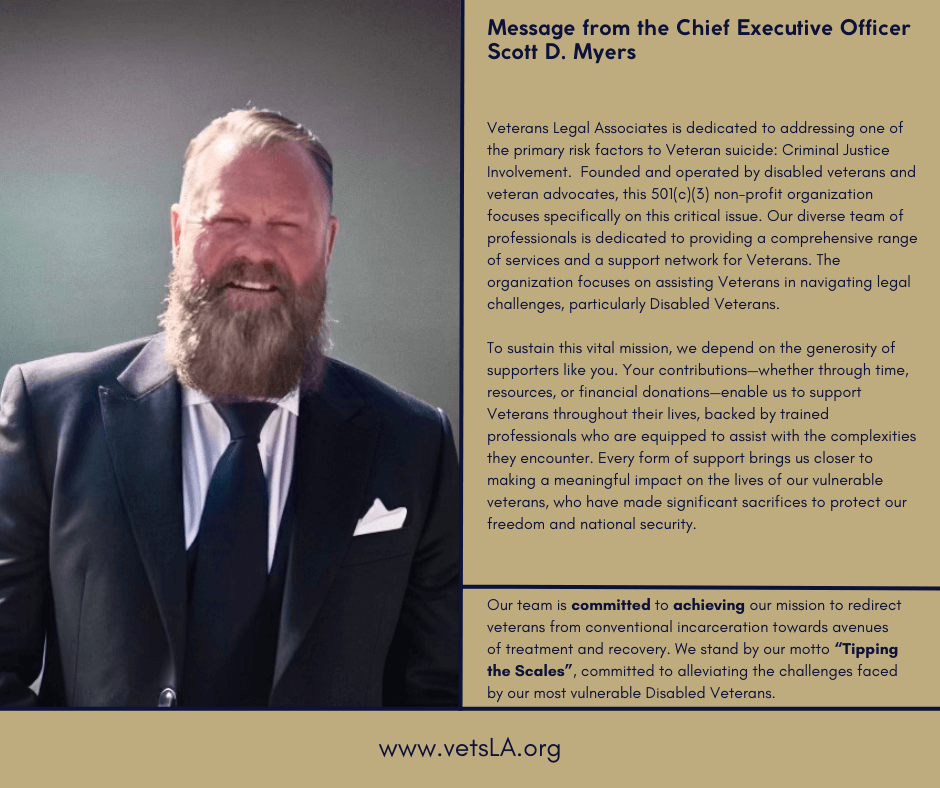
Scott D Myers
CEO Veterans Legal Associates
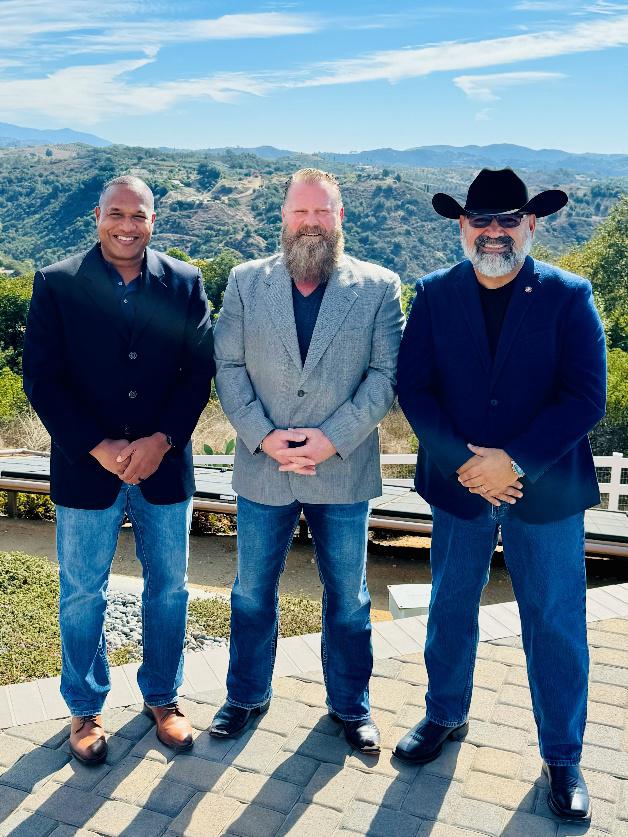
A Motivated Team Of Veterans & Professionals
Healthcare Clinicians
Our certified and skilled health care clinicians will be responsible for supporting Veteran recovery through a combination of medical expertise, compassionate care, and personalized treatment plans.
Legal Professionals
A network of knowledgeable and resourceful lawyers who can help provide expert legal representation and advice to our Veterans ensuring fair treatment and the best possible outcome in the judicial system.
Veteran Support
Veteran Support Organizations that give opportunities for Veterans to have a portfolio of resources and services aiding their journey into recovery and successful integration into society.
Capabilities
Veterans Legal Associates aims to provide a lifelong support system for Veterans who become involved in the criminal justice system
Our Primary Goals to Achieve:
- Partnerships with Veterans Courts & Accountability Programs for Prosecutors and Courts
- Veteran-Friendly Legal Services
- Tailored Services for Incarcerated Veterans
- Certified Healthcare Professionals
- Behavioral & Substance Use Disorder Treatment Programs & Counselors
- Mental Health Treatment Programs
- Veterans Housing & Homeless Prevention Program
- Veteran Service Organizations
- Community & Veteran Support
- Education For Military Members Transitioning to Civilian Life
- Police Academy De-Escalation Techniques & Advance Training in Non-Lethal Weapons
- Lobby for Change (State & Federal)
Why IT Matters
Veteran Suicide Rates
Veterans have elevated rates of suicide and justice system involvement. The suicide rate for Veterans is approximately 2 times higher than that for the general population.
Alarming Arrest Rates
Approximately 31% of Veterans have been arrested at some point in their lives, compared to 18% of non-veterans.
Justice-Involved Veterans
Research suggests that justice-involved Veterans are almost twice as likely to attempt suicide as Veterans who do not encounter the criminal justice system.
PTSD & Suicide
Justice-involved Veterans and Veterans who attempt suicide are both more likely to have post-traumatic stress disorder (PTSD).